
"Mr. Puzzler - what sets you apart from the rest?"

If I'm honest,
I'm not very great at anything.
Passable at nearly everything.
Normally just good enough
to not be noticed.
I'm not the smartest one of us;
I for sure played a role
in dropping out.
And I'm not anything special
at writing.

I'm not bad;
you might even be tricked
into thinking I'm good;
but I don't have
that spark of genius
that pulls the perfect truth
straight from the aether.
I have to consider
and reconsider
every word;
every line.

But then I watch
my other selfs write,
and I'm left in awe.
Half conscious -
writing like madmen;
they'll write a 5 page essay,
and when you ask what it's about,
they genuinely don't remember.
That's not that weird, though.
I've written a paper
drunk and forgotten.

But this is different.
My drunk papers are
messy and incoherent.
Yet theirs are
literal works of art.
Still messy,
but constructed
in a way that seems
so
alien
but so
natural.

They communicate in such
unique forms,
some of which I've never seen.
Yet somehow we read
exactly what
these bizarre languages capture -
not because of how measured
they were,
but because
they listened
to their genius.

When they express it
in the right words,
they're rewarded.
So all they have to do
is follow that feeling.
They experience then act.
No thought happens
in between
the feeling and its expression.

The unconscious writing style
captures such pure emotion since
it's less tainted by the mind.
But unfortunately,
you can't really
plan the process.

You have to let
the story tell its self,
which often means
details don't mean anything.
With their writing style,
random variables rarely have
intended deeper meaning.

Like if they provide
the time on a clock
or a date on the calendar,
it's most likely they
happened to notice it
in that moment.
It may mean something
to you, but
nothing to them.

Sometimes curtains are just blue.
So why mention them?
Because they noticed it.
They don't have
the thinking capacity
to parse which information
they're receiving
as useful
or not.

But me?
What's my genius?
Mine is the understanding how
all the pieces
of the writing
fit together.
My genius is making
the puzzle of my story
greater than
the sum of its pieces.

If you're reading my story and
you see nothing,
you can be certain
you'll find something more if
you take a closer look.

And just like them,
I don't search
my mind for the images.
My genius provides me
the pieces,
and I grab
the pieces
to the puzzle
at random - trusting
my vision's genius.

But I still have to
figure out how to
put them together.
And even though
I rarely know
what story elements
I'm grabbing
in the moment,
they fit together
not just within
their own puzzle - for then
the puzzle itself
becomes a new piece
that perfectly fits
with the puzzles
both before
and after.

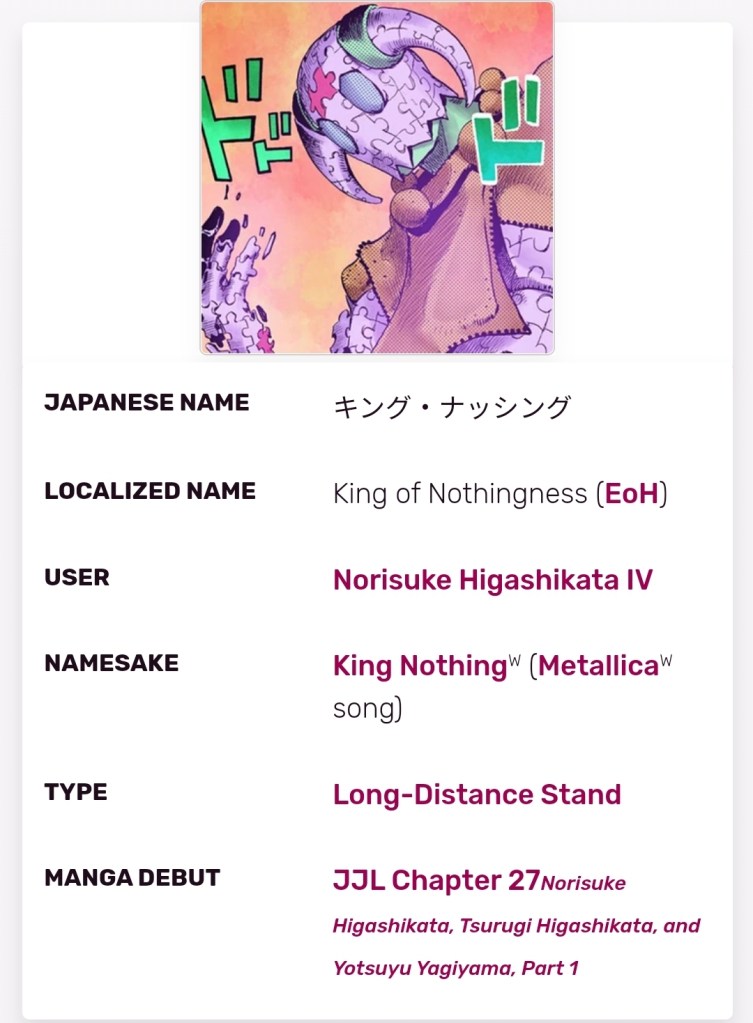
[Mr Puzzler (prose poem format)]
“Mr. Puzzler – what sets you apart from the rest?”
If I’m honest, I’m not very great at anything. Passable at nearly everything. Normally just good enough to not be noticed. I’m not the smartest one of us; I for sure played a role in dropping out. And I’m not anything special at writing.
I’m not bad; you might even be tricked into thinking I’m good; but I don’t have that spark of genius that pulls the perfect truth straight from the aether. I have to consider and reconsider every word; every line.
But then I watch my other selfs write, and I’m left in awe. Half conscious – writing like madmen; they’ll write a 5 page essay, and when you ask what it’s about, they genuinely don’t remember. That’s not that weird, though. I’ve written a paper drunk and forgotten.
But this is different. My drunk papers are messy and incoherent. Yet theirs are literal works of art. Still messy, but constructed in a way that seems so alien but so natural.
They communicate in such unique forms, some of which I’ve never seen. Yet somehow we read exactly what these bizarre languages capture – not because of how measured they were, but because they listened to their genius.
When they express it in the right words, they’re rewarded. So all they have to do is follow that feeling. They experience then act. No thought happens in between the feeling and its expression.
The unconscious writing style captures such pure emotion since it’s less tainted by the mind. But unfortunately, you can’t really plan the process.
You have to let the story tell its self, which often means details don’t mean anything. With their writing style, random variables rarely have intended deeper meaning.
Like if they provide the time on a clock or a date on the calendar, it’s most likely they happened to notice it in that moment. It may mean something to you, but nothing to them.
Sometimes curtains are just blue. So why mention them? Because they noticed it. They don’t have the thinking capacity to parse which information they’re receiving as useful or not.
But me? What’s my genius? Mine is the understanding how all the pieces of the writing fit together. My genius is making the puzzle of my story greater than the sum of its pieces.
If you’re reading my story and you see nothing, you can be certain you’ll find something more if you take a closer look.
And just like them, I don’t search my mind for the images. My genius provides me the pieces, and I grab the pieces to the puzzle at random – trusting my vision’s genius.
But I still have to figure out how to put them together. And even though I rarely know what story elements I’m grabbing in the moment, they fit together not just within their own puzzle – for then the puzzle itself becomes a new piece that perfectly fits with the puzzles both before and after.

 ♡Sugar☆World☮